Choosing wood for custom cabinetry
How the common cabinet woods compare on hardness, colour and ageing, and why sheet goods and veneer deserve a fair hearing.
By Toronto Millworks, updated October 2026
Start with where the piece lives
The right wood depends on the room. A kitchen door is opened thousands of times a year, a vanity lives in humidity, a library sits in sunlight, and a bar front takes boots and stools. Hardness, stability, how the colour changes with light and how the finish wears all matter more than which species is fashionable.

How the common species compare
| Species | Janka hardness | Colour | With age |
|---|---|---|---|
| Hard maple | about 1,450 lbf | Pale cream | Yellows slightly |
| White oak | about 1,360 lbf | Light brown | Warms to amber |
| White ash | about 1,320 lbf | Pale, oak-like grain | Yellows slightly |
| Black walnut | about 1,010 lbf | Rich brown | Can lighten in sun |
| Black cherry | about 950 lbf | Pinkish brown | Darkens markedly |
| Yellow poplar | about 540 lbf | Cream with green streaks | Used under paint |
Janka hardness is the force needed to press a steel ball halfway into the wood. Higher numbers resist dents better, though a good finish matters as much as the timber underneath.
White oak
The most requested cabinet wood of recent years, and for good reason. It is hard, stable and, unlike red oak, has closed pores that resist water. Rift sawn boards give a straight, quiet grain; quarter sawn boards show the ray fleck that Arts and Crafts furniture made famous. It takes clear finishes and stains well.
Walnut
Dark, warm and naturally rich, walnut rarely needs stain. It is softer than oak, so it suits doors, panels and furniture pieces more than a heavily used work surface. Veneered slab doors make the most of its figure across a run of cabinets.

Maple and cherry
Hard maple is one of the most durable cabinet woods and one of the best for painted doors, because its fine grain gives a smooth surface. It can blotch under stain, so stained maple needs care. Cherry is fine grained and traditional, and it darkens markedly over its first years, which many people choose it for.
Ash and poplar
Ash looks much like oak in a paler tone. In Ontario its supply has been affected by the emerald ash borer, so availability is worth checking early. Poplar is a soft, inexpensive hardwood that machines cleanly and is the standard for painted frames and trim.
Plywood, MDF and particleboard
- Plywood: strong, relatively light and good at holding screws. A common choice for cabinet boxes and shelves.
- MDF: flat, stable and smooth, the best substrate for paint and for veneer, but heavy and weak at holding screws in its edges.
- Particleboard: economical and stable when faced with melamine or veneer, widely used for cabinet boxes.
Veneer is not a compromise
Veneer is real wood sliced thin and laid on a stable core. Because the core does not move with the seasons, veneered panels stay flat where wide solid boards would cup. Veneer also allows sequence and book matching, so a whole wall of doors can show continuous grain. Most fine furniture and high end cabinetry relies on it.
Quick
answers
Straight answers on cost, lead time and how a job actually runs. If something is not covered here, ask and we will answer it the same way.
Every question we get askedWhat is the most durable wood for kitchen cabinets?
Hard maple and white oak are both very hard and stable. The finish matters as much as the species, so choose them together.
Is white oak better than red oak?
For cabinetry, usually. White oak has closed pores that resist water and a quieter grain when rift sawn. Red oak is porous and has a pinker tone.
Why do cherry cabinets get darker?
Cherry reacts to light and oxygen and deepens in colour over its first years. It is a natural patina, not a defect.
Where this applies
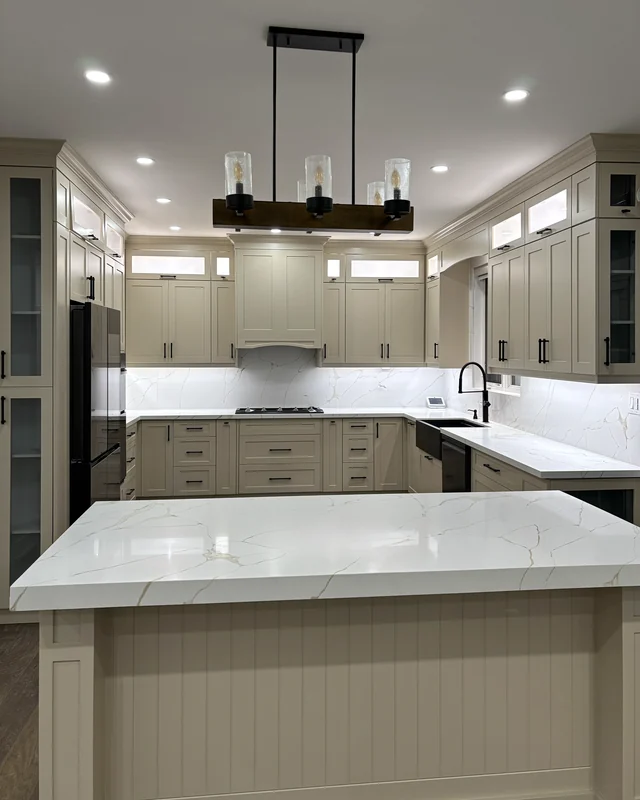
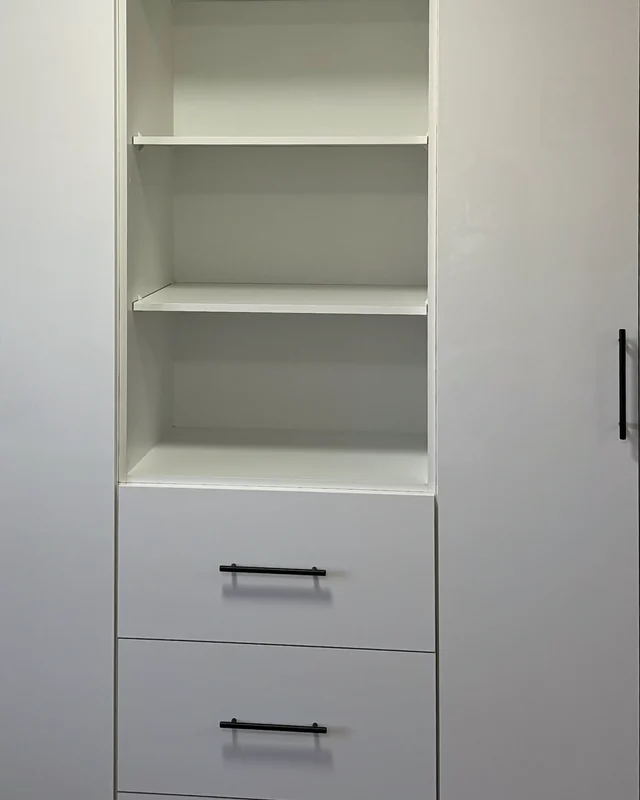
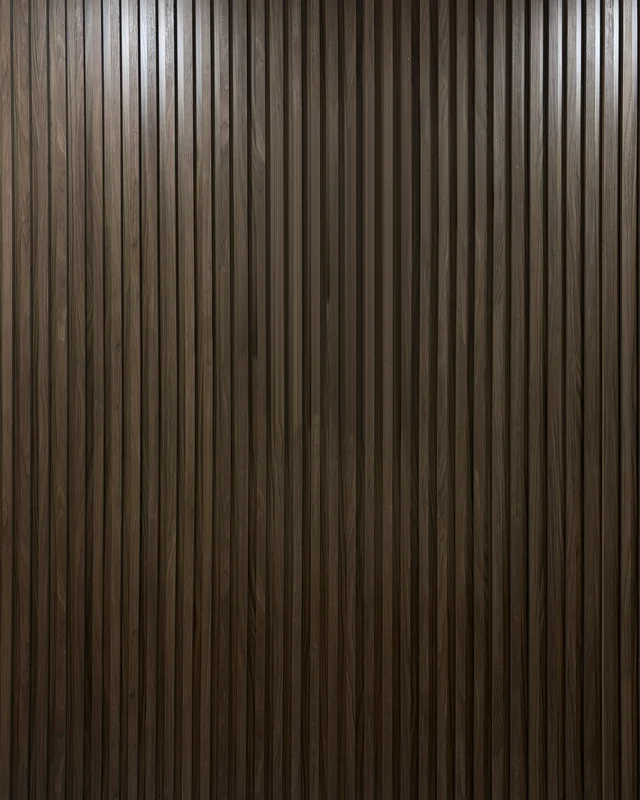
More guides
How custom millwork is made
What happens between the first site visit and the day the joinery is finished in your room, and why the order matters.
What affects the cost of custom cabinetry
Why two kitchens of the same length can be priced very differently, and how to spend where it shows.
Paint-grade vs stain-grade millwork
Two ways of building the same piece, chosen by the finish it will wear. Here is what changes and how to choose.
Tell us about the room.
Send drawings, a photo or just the dimensions. We come back with a measured quote, not a per foot guess.
What affects the costWhat are you planning?
Get a quoteNo obligation to go ahead. Measured in your room. Built in our own shop.