What affects the cost of custom cabinetry
Why two kitchens of the same length can be priced very differently, and how to spend where it shows.
By Toronto Millworks, updated October 2026
Why there is no honest per foot price
Per linear foot pricing is convenient and almost always misleading. Two kitchens of identical length can differ in materials, finish, the number of drawers, the height of the cabinets and the condition of the room, and each of those changes the work. A quote built from measured drawings is the only kind that describes your project.

Size and complexity
The number of cabinets matters, but so does their shape. Tall units, corner solutions, angled ends, curved pieces and cabinets that run to a high ceiling all take more material and more labour than a straight run of standard boxes. Islands with seating, power and finished backs are effectively furniture finished on every side.
Materials
Painted cabinetry is usually built from MDF or paint-grade hardwood. Stained or clear finished work needs timber selected for grain and colour, and the price moves with the species: white oak and walnut cost more than maple or poplar. Veneer on a stable core can deliver a premium species across wide panels at a lower cost than solid stock.
The cabinet boxes matter too. Plywood and MDF cores, edge banding and back thickness all affect how a cabinet performs and what it costs.
Door style and finish
A flat slab door is the simplest to make. A shaker door adds a frame and a panel, and a raised panel door adds profiles and more steps. Finish is often the larger cost: a sprayed paint finish in several coats, a stain and topcoat, or a high gloss lacquer each take different amounts of time, and two-tone kitchens double some of that work.

What goes inside
Drawers cost more than doors because each one carries slides and its own box. Pull-outs, dividers, spice racks, waste systems, lift mechanisms and integrated lighting are all worth having, and all add up. Deciding which ones you will really use is one of the easiest ways to keep a budget under control.
Hardware
- Hinges and drawer slides: soft close and full extension are standard on good work; specialist mechanisms cost more.
- Lift systems for upper cabinets and pocket door mechanisms for appliance garages.
- Handles and pulls, which range from modest to very expensive per piece.
Site conditions
Older houses take longer to fit because walls and floors are further from true, and every scribe takes time. Access matters too: a third floor walk-up or a condo with booked elevators changes how the work is delivered and how long the install takes.
Changes after approval
Once drawings are approved and parts are cut, a change means redrawing and remaking. Settling finishes, appliances and hardware before approval is the single most effective way to keep both the price and the schedule steady.
Spending where it shows
- Put the premium species and the best finish where they are seen every day.
- Use paint-grade construction where a stained finish adds nothing.
- Keep layouts simple where nobody will notice the difference.
- Choose interior fittings for the way you cook, not the catalogue.
- Ask for options in the quote so you can compare like with like.
Quick
answers
Straight answers on cost, lead time and how a job actually runs. If something is not covered here, ask and we will answer it the same way.
Every question we get askedWhy won't you quote a price per foot?
Because it would describe an average kitchen rather than yours. Materials, finish, interiors and site conditions change the work more than length does.
What is the biggest single cost driver?
It varies by project, but finish and materials together usually outweigh layout. A sprayed paint finish or a premium hardwood moves the price more than a few extra cabinets.
How can I reduce the cost without lowering quality?
Settle every decision before approval, use paint-grade construction where stain adds nothing, and be selective about specialist interior fittings.
Where this applies
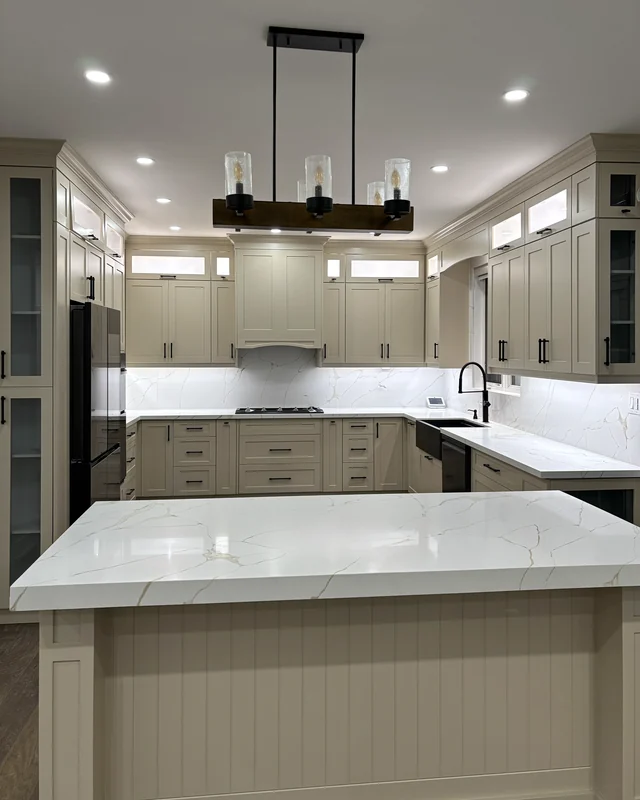
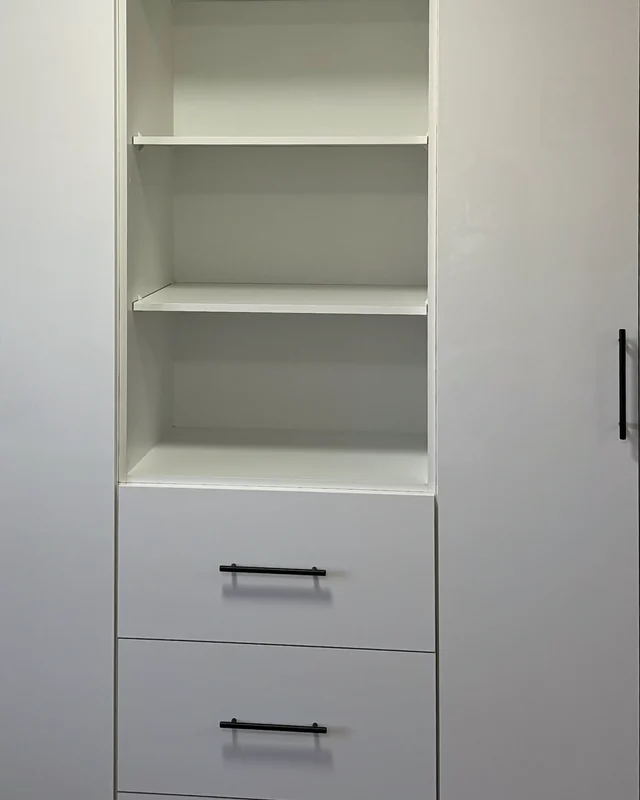
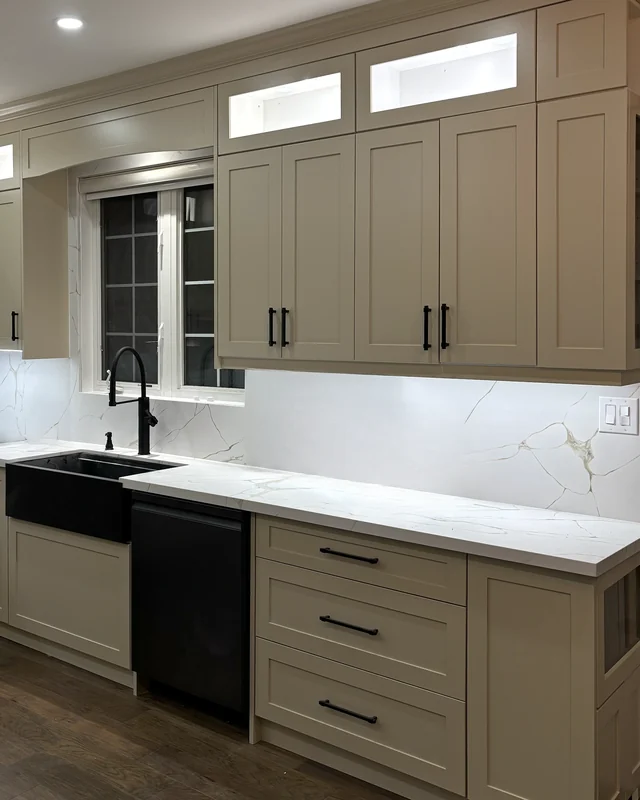
More guides
How custom millwork is made
What happens between the first site visit and the day the joinery is finished in your room, and why the order matters.
Paint-grade vs stain-grade millwork
Two ways of building the same piece, chosen by the finish it will wear. Here is what changes and how to choose.
Choosing wood for custom cabinetry
How the common cabinet woods compare on hardness, colour and ageing, and why sheet goods and veneer deserve a fair hearing.
Tell us about the room.
Send drawings, a photo or just the dimensions. We come back with a measured quote, not a per foot guess.
What affects the costWhat are you planning?
Get a quoteNo obligation to go ahead. Measured in your room. Built in our own shop.